
Dental Health Blog | Stonehaven Dentistry
Dentist on Airport Rd: When a Tooth May Need a Dental Crown
August 25, 2026 / Dentistry
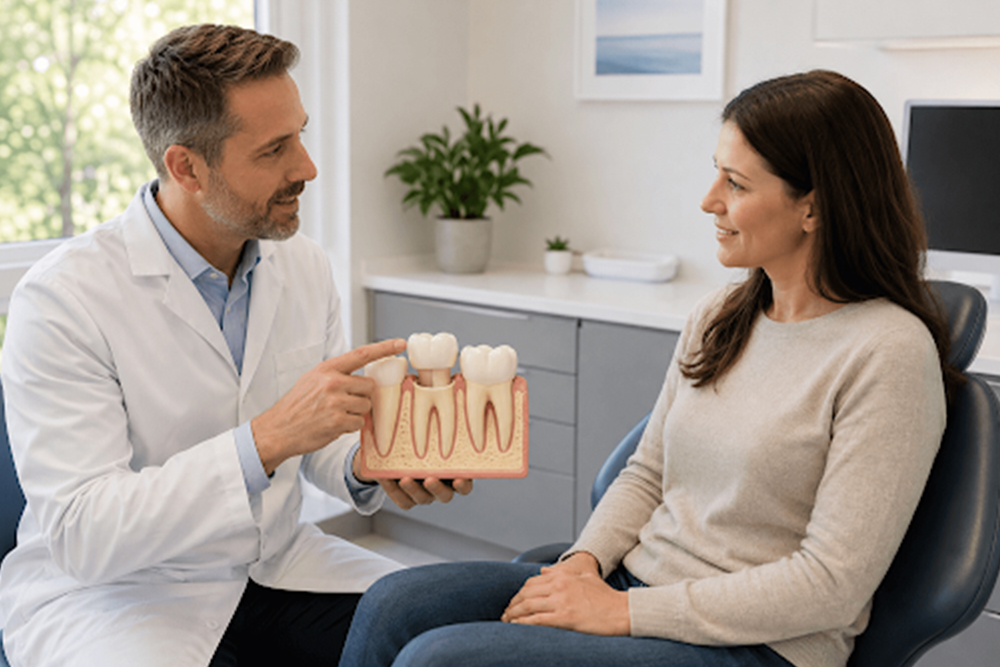
A dental crown may be considered when a tooth has lost enough strength or structure that a filling alone may not provide suitable support. This can happen when a tooth is cracked, broken, heavily filled, significantly worn or weakened following certain dental treatments.
However, these situations do not automatically mean that a crown is necessary. Similar symptoms can have different causes, and the condition of the tooth must be examined before an appropriate treatment can be recommended.
If you have a damaged or weakened tooth, a dentist may assess it and discuss whether a crown or another form of restorative dentistry in Mississauga could help protect the remaining tooth structure.
When a Dental Crown May Be Considered
A dental crown is a restoration that covers the visible portion of a natural tooth. Its purpose is generally to provide coverage and support when the remaining tooth structure may not be strong enough for a smaller restoration.
A dentist may discuss a crown when a tooth:
- Has a large crack or fracture
- Has lost a substantial amount of its natural structure
- Contains a large filling that leaves the surrounding tooth weakened
- Is significantly worn or broken
- Has decay or damage that may require more coverage than a filling can provide
- Has received root canal treatment and needs additional protection
- Already has a crown that is damaged, loose or no longer fitting properly
The presence of any one of these factors does not confirm that a crown is the right choice. The dentist must consider how much healthy tooth remains, where the damage is located and whether the tooth can support the proposed restoration.
Signs a Tooth Should Be Assessed
Dental damage is not always easy to evaluate at home. A tooth may look relatively normal while still having a crack, weakened area or problem beneath an existing restoration. In other cases, visible damage may be less extensive than it first appears.
The following signs are reasons to arrange a dental assessment.
A Crack, Chip or Broken Area
A visible crack, chip or missing piece of tooth should be examined, even if it is not causing severe pain. Some small chips may require only limited treatment, while deeper damage may affect the strength of the tooth.
The location and direction of a crack can also matter. A dentist will need to determine how far it extends and whether the remaining tooth can be restored.
Pain When Biting or Chewing
Pain that occurs when you bite down or release pressure may be associated with several dental concerns, including a crack, decay, inflammation or an issue with an existing filling. It does not necessarily mean that a crown is required, but it should not be ignored.
Avoid repeatedly testing the painful tooth by biting on it. A dental examination is needed to identify the possible source of the discomfort.
Persistent Tooth Sensitivity
A tooth that remains sensitive to hot, cold or pressure may need attention. Sensitivity can be related to worn enamel, decay, exposed root surfaces, a damaged restoration or other causes.
Because the appropriate treatment depends on the source of the sensitivity, symptoms alone cannot determine whether a crown would be suitable.
A Large or Failing Filling
Large fillings replace missing or damaged portions of a tooth. Over time, the filling or the remaining natural tooth around it may wear, crack or loosen.
A dentist may consider whether the filling can be repaired or replaced, or whether the tooth would benefit from broader coverage. The decision depends on the size of the filling, the amount of tooth structure left and the condition of the surrounding area.
Visible Tooth Wear
Teeth can gradually become worn due to grinding, clenching, bite forces, erosion or other factors. A worn tooth may appear flatter, shorter or uneven compared with nearby teeth.
A crown may be one option for certain worn or damaged teeth, but the dentist will also want to understand why the wear occurred. Addressing the underlying cause may be important when planning treatment.
Changes Around an Existing Crown
An existing crown should be assessed if it becomes loose, cracked or uncomfortable. Other warning signs may include sensitivity, pain when chewing or a visible change near the edge of the crown.
These signs do not always mean that the crown must be replaced. The dentist may need to examine the crown, the tooth beneath it and the surrounding gums before discussing the next step.
Why a Dental Examination Matters
A dental examination helps determine both the cause of the symptoms and how much healthy tooth structure remains. This information is important because two teeth with similar symptoms may require different forms of care.
During an assessment, a dentist may consider:
- The location and extent of decay or damage
- The amount of natural tooth remaining
- Whether a crack is present and how far it may extend
- The condition of existing fillings or crowns
- How the upper and lower teeth meet
- The health of the gums surrounding the tooth
- Whether there are signs of infection or inflammation
- The type, duration and severity of the symptoms
- Whether the tooth has previously received root canal treatment
Dental X-rays or other diagnostic information may also be used when appropriate. After evaluating the tooth, the dentist can explain whether a filling, crown or another treatment option may be considered.
Routine family and general dentistry in Mississauga can also help identify changes in existing restorations before they become more noticeable or uncomfortable.
Could a Filling Be Enough Instead?
A filling may be suitable when an area of decay or damage is relatively limited and enough healthy tooth structure remains to support the restoration. Fillings are commonly used to repair smaller portions of a tooth without covering its entire visible surface.
A crown may be discussed when the damaged or restored area is larger and the remaining tooth may need more coverage or support. For example, a tooth with a very large filling may have thinner natural walls around the restoration, making it more vulnerable to further damage.
The choice is not based only on the visible size of a cavity or filling. A dentist may also consider the location of the tooth, the forces placed on it while chewing, the condition of the bite and the quality of the remaining structure.
In some cases, another restorative option may be appropriate. An examination allows the dentist to explain the available choices and why a particular approach is being recommended.
What to Ask If a Crown Is Recommended
Patients should understand why a crown is being considered before deciding how to proceed. Asking questions can make the recommendation and available alternatives clearer.
Questions you may want to ask include:
- What damage or weakness did you find in the tooth?
- Why are you recommending a crown instead of a filling?
- Are there any reasonable alternatives in my situation?
- How much healthy tooth structure remains?
- What part of the tooth needs additional protection?
- Is there any decay or damage beneath the existing filling?
- Are there bite, grinding or clenching concerns to consider?
- What home care will the tooth and crown require?
- What symptoms or changes should I monitor?
- What could happen if treatment is delayed?
The answers will depend on the individual tooth. A recommendation should be based on the dentist’s clinical findings rather than symptoms alone.
Caring for a Tooth While Waiting for an Assessment
If a tooth is cracked, painful or weakened, try to avoid placing unnecessary pressure on it while waiting to see a dentist. Do not use the affected tooth to bite ice, hard candy, popcorn kernels or other very hard foods.
Continue brushing and cleaning between your teeth gently unless a dental professional has advised otherwise. Keeping the area clean may help prevent food and plaque from collecting around a damaged tooth or restoration.
If part of a tooth, filling or crown breaks off, keep the area as undisturbed as possible and contact a dental office for guidance. Do not attempt to glue a restoration or broken piece back into place yourself.
Promptly seek professional advice if discomfort becomes severe, swelling develops, the tooth breaks further or you notice another significant change.
Frequently Asked Questions About Dental Crowns
Does a cracked tooth always need a crown?
No. The appropriate treatment depends on the crack’s location, depth and effect on the tooth’s strength. A small crack may require a different approach than a deeper fracture. A dentist must examine the tooth before determining whether a crown or another option should be discussed.
Can a large filling be replaced with a crown?
In some cases, a dentist may recommend a crown when a large filling is failing or when there is not enough strong tooth structure to support another filling. However, the size of the filling alone does not determine the treatment. The remaining tooth and surrounding area must first be assessed.
Why might a tooth need a crown after root canal treatment?
Root canal treatment removes infected or inflamed tissue from inside a tooth. Depending on the tooth’s location, its condition and the amount of structure remaining, a dentist may discuss a crown to provide additional coverage and support. Not every root canal-treated tooth has identical restorative needs.
Can a crown help a worn or broken tooth?
A crown may help restore the shape and provide coverage for certain worn or broken teeth. Whether it is suitable depends on the extent of the damage, the condition of the remaining tooth and the cause of the wear or breakage.
How will I know if a crown is the right option?
A dental examination is the only way to determine whether a crown may be appropriate. The dentist can evaluate the tooth, explain the findings, review possible alternatives and discuss the advantages and limitations of each option.
Talk to a Dentist on Airport Road About a Dental Crown
A damaged, painful or heavily restored tooth should be assessed before it becomes more difficult to manage. Although a dental crown may provide support in some situations, only an examination can determine whether it is appropriate for the tooth in question.
If you are looking for a dentist on Airport Rd because a tooth is cracked, weakened, sensitive or heavily filled, contact Stonehaven Dentistry to request an assessment.