
Our Blog
Scaling and Root Planing: What to Expect From a Deep Cleaning
June 20, 2026 / Dentistry
What Is Scaling and Root Planing and Why Might You Need It?
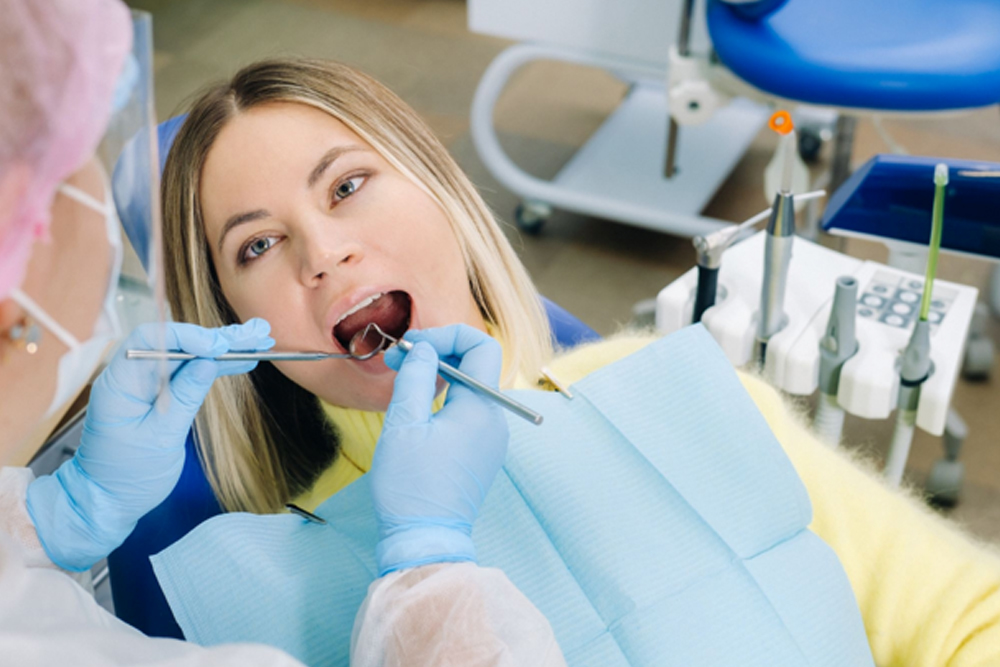
If your dentist has recommended a deep cleaning, you may be wondering what that actually means. Scaling and root planing is a deeper type of dental cleaning that a dentist may recommend after assessing your gum health. Unlike a routine cleaning, it focuses on removing plaque and tartar from below the gumline. Whether this treatment is appropriate depends on your individual oral health and the findings during your examination.
Hearing that you may need a deep cleaning can feel concerning, but understanding what the procedure involves can help you feel more prepared. The goal of the appointment is to address areas that aren't reached during a regular dental cleaning and to support your overall gum health.
What Is Scaling and Root Planing?
Scaling and root planing is a type of deep cleaning that may be recommended when plaque and tartar have built up beneath the gumline. While regular cleanings focus on keeping the visible surfaces of your teeth clean, this treatment targets areas below the gums that may require additional attention.
The procedure generally has two parts.
Scaling involves carefully removing plaque and hardened tartar from the tooth surfaces and below the gumline.
Root planing smooths the root surfaces of the teeth. This may make it more difficult for plaque and bacteria to collect in those areas and allows your dentist to monitor your gum health more effectively over time.
Not everyone needs scaling and root planing. After examining your teeth and gums, your dentist may determine whether periodontal dentistry is appropriate for your individual situation or whether routine preventive care is sufficient.
Because every patient's oral health is different, recommendations are always based on a professional assessment rather than symptoms alone.
When a Dentist May Recommend a Deep Cleaning
Many people hear the term "deep cleaning" before they fully understand why it has been recommended.
A dentist may discuss scaling and root planing if there are signs that additional cleaning below the gumline may be beneficial. The recommendation depends on your examination and may include factors such as your gum health, plaque buildup, and other findings observed during your visit.
Some reasons your dentist may recommend an assessment include:
- Bleeding gums during brushing or flossing.
- Persistent plaque or tartar buildup.
- Gum inflammation.
- Areas that are difficult to keep clean at home.
- Findings during a routine dental examination.
It's important to remember that bleeding gums don't automatically mean you need scaling and root planing. Likewise, not everyone with gum concerns requires this treatment. Your dentist will consider your overall oral health before recommending the next steps.
Routine checkups and family and general dentistry appointments remain an important part of maintaining oral health. During these visits, your dentist can monitor your gums and determine whether routine preventive care is appropriate or whether additional treatment should be discussed.
What Happens During a Scaling and Root Planing Appointment?
If scaling and root planing is recommended, your dentist will explain what the procedure involves before treatment begins.
Although every appointment is slightly different, the process generally includes carefully cleaning below the gumline to remove plaque and tartar that cannot always be reached during routine home care.
Depending on your needs, treatment may involve:
- Examining your gums before treatment.
- Cleaning below the gumline.
- Removing hardened plaque and tartar.
- Smoothing the root surfaces where appropriate.
- Reviewing home care recommendations after the appointment.
Some patients have treatment completed in one appointment, while others may require more than one visit depending on the amount of cleaning recommended. The approach varies according to your individual oral health, so your dentist will explain what is appropriate for your situation.
Throughout the appointment, your dental team will also monitor your comfort and answer any questions you have about the procedure or what to expect afterward.
What to Expect After the Appointment
After scaling and root planing, your mouth may feel a little different for a short time. Some people notice mild gum tenderness, temporary sensitivity, or a clean feeling around the treated areas. The exact experience varies depending on your gum health, how much buildup was removed, and your dentist’s instructions.
Your dentist may give you personalized guidance for brushing, flossing, eating, and follow-up care. It’s best to follow those instructions closely rather than relying on general advice online. If something feels unusual, uncomfortable, or seems to be getting worse instead of improving, contacting the dental office is the safest next step.
After your appointment, your dentist may discuss:
- How to care for your teeth and gums at home.
- Whether any areas need extra attention.
- When to return for follow-up care.
- How your gum health will be monitored over time.
- Whether additional periodontal care may be recommended.
A deep cleaning is not a one-time replacement for regular dental care. Your dentist may continue checking your gums at future visits and adjust recommendations based on how your mouth responds. Good home care and ongoing professional monitoring can both play a role in supporting your oral health.
Frequently Asked Questions About Scaling and Root Planing
Is scaling and root planing the same as a regular dental cleaning?
No. A regular dental cleaning usually focuses on removing plaque and tartar from the visible surfaces of the teeth. Scaling and root planing is a deeper cleaning that may be recommended after an assessment when plaque and tartar need to be removed from below the gumline.
That difference matters because the goal is different. A routine cleaning is usually part of preventive maintenance, while scaling and root planing is more targeted periodontal treatment. Your dentist can explain which type of cleaning is appropriate based on your gums, teeth, and overall oral health.
Does everyone with bleeding gums need scaling and root planing?
No. Bleeding gums can happen for different reasons, and not every case means a deep cleaning is needed. Some people may need changes to their home care routine, while others may need a more detailed assessment or additional treatment.
The best way to know is to have your gums examined. Your dentist can look at the cause of the bleeding, check for buildup below the gumline, and explain whether scaling and root planing may be appropriate.
How do I know if I should book an assessment?
You may want to book an assessment if you notice ongoing bleeding when brushing or flossing, gum tenderness, swelling, persistent bad breath, or changes in how your gums look or feel. These signs do not automatically mean you need scaling and root planing, but they are worth discussing with a dentist.
An assessment gives your dentist the chance to look at your gum health directly and explain what they see. From there, they can recommend routine care, periodontal treatment, or another approach depending on your needs.
Talk to Stonehaven Dentistry About Gum Health
If you’ve been told you may need a deep cleaning, or you’re noticing changes in your gums, a dental assessment can help you understand what’s going on. Scaling and root planing is not right for every patient, and the best next step depends on what your dentist finds during an examination.
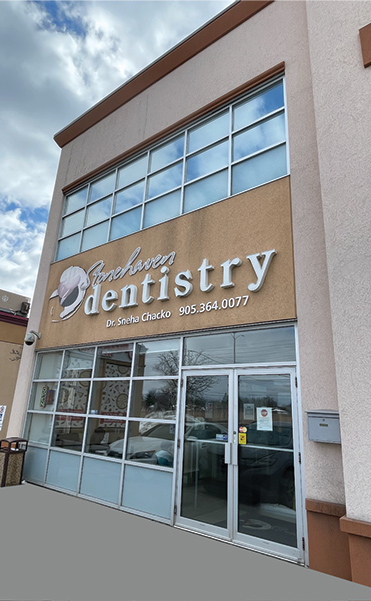
Stonehaven Dentistry is located on Airport Road in Mississauga and serves patients in Malton and surrounding communities. If you have questions about gum health, deep cleaning teeth, or scaling and root planing Mississauga, you can contact Stonehaven Dentistry to arrange an assessment and discuss your concerns.
A conversation with a dentist can give you clearer answers, especially if you’re unsure whether your symptoms are related to gum health or something else. The goal is to understand your needs and recommend care that fits your individual oral health.
How Family Dental Care Supports Healthy Smiles in Malton
May 15, 2026 / Dentistry
How Family Dental Care Supports Healthy Smiles at Every Age
Maintaining good oral health is important at every stage of life. From young children learning healthy brushing habits to adults maintaining long-term oral health, family dental care helps support healthy smiles for patients of all ages.
At Stonehaven Dentistry, we proudly provide compassionate care for families looking for a trusted dentist in Malton. Family dentistry focuses on preventive care, education, and personalized treatment to help support healthier smiles in a comfortable environment.
What Is Family Dental Care?
Family dental care provides dental services for children, teens, adults, and seniors under one roof. Instead of visiting multiple dental offices for different family members, a family dentist can help simplify dental care while building long-term relationships with patients.
Family dental services may include:
- Routine dental checkups
- Professional cleanings
- Preventive dental care
- Fillings and restorations
- Gum health monitoring
- Oral hygiene education
Having a trusted family dentist can help make dental visits more convenient and comfortable for the entire family.
Why Preventive Dental Care Matters
Preventive dental care helps protect teeth and gums before larger oral health concerns develop. Routine visits with a dentist in Malton can help identify dental issues early and support healthier smiles over time.
Regular dental checkups may help:
- Detect cavities early
- Monitor gum health
- Remove plaque and tartar buildup
- Support fresher breath
- Encourage healthy oral hygiene habits
Preventive care can often reduce the risk of more extensive dental treatments later on.
Supporting Healthy Smiles for Children
Early dental visits help children become more familiar with the dental office in a positive and welcoming environment. Family dentists also help educate children about healthy brushing and flossing habits that support long-term oral health.
Routine pediatric dental visits may help:
- Monitor dental development
- Support cavity prevention
- Encourage healthy oral hygiene habits
- Identify concerns early
Positive experiences early in life can help children feel more comfortable during future dental appointments.
Patients can learn more about our family dental services on Airport Road and preventive care options for all ages.
Dental Care for Teens and Adults
Oral health needs often continue to change throughout different stages of life. Routine visits with a dentist on Airport Road remain important for helping adults maintain healthy teeth and gums long-term.
Adults may benefit from:
- Professional cleanings
- Monitoring gum health
- Preventive oral health care
- Restorative dental treatments
- Cosmetic dental options
Family dentistry helps ensure patients continue receiving personalized care throughout every stage of life.
Frequently Asked Questions About Family Dental Care
What is a family dentist?
A family dentist provides dental care for patients of all ages, including children, teens, adults, and seniors.
How often should my family visit the dentist?
Many patients are encouraged to visit the dentist every six months for routine checkups and cleanings.
Why is preventive dental care important?
Preventive dental care helps support healthier teeth and gums while identifying concerns before they become more serious.
Compassionate Family Dental Care in Malton
Family dental care helps support healthy smiles through preventive care, routine dental visits, and personalized treatment for every stage of life. Choosing a trusted family dentist can help make dental care more comfortable and convenient for the entire family.
At Stonehaven Dentistry, we proudly provide compassionate care for patients and families in the community.
Patients looking for a trusted dentist in Malton can contact our team to schedule a family dental appointment today.
Archive
March 22, 2026
February 22, 2026
January 22, 2026
December 6, 2025
November 19, 2025
October 19, 2025
September 19, 2025
August 6, 2025
July 24, 2025